Do You Need a Permit to Place a Dumpster on the Street in Denver? (2026 Guide)
Placing a dumpster in Denver, CO, involves real permit rules that can catch homeowners and contractors off guard. This guide explains when you need a Right-of-Way (ROW) permit for a roll-off dumpster rental in Denver, CO. It also covers the city's process, what happens if you skip it, and how driveway, alley, and street placement change your duties. Knowing these rules upfront saves time and money, whether your project lasts a weekend or several months. Need a dumpster now? Contact us for a free quote today.
When Do You Need a Permit for a Street Dumpster in Denver?
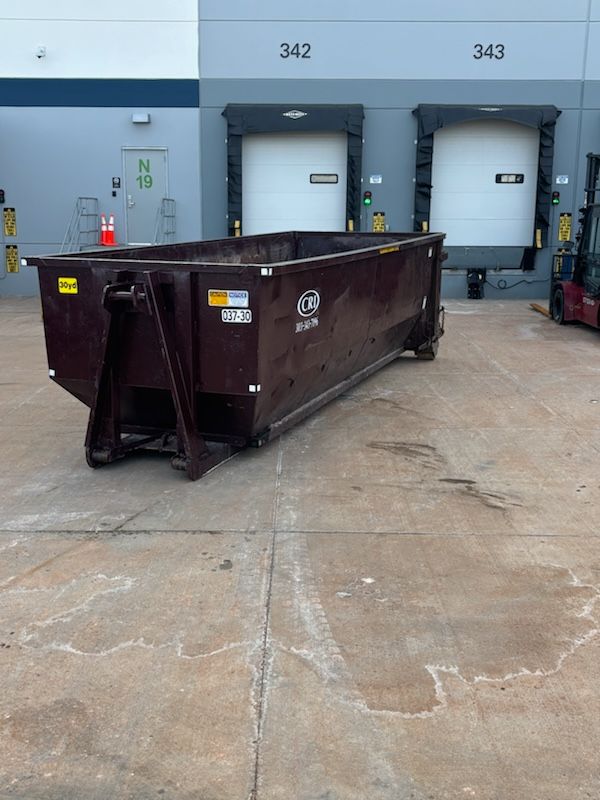
The City of Denver requires a Right-of-Way (ROW) permit for any dumpster, roll-off container, or portable storage unit placed in the public right-of-way. This includes city streets (even in front of your house), sidewalks, alleys, and any city-maintained roadway or easement.
The good news: if the dumpster fits entirely on your private driveway, a permit is not needed. The container cannot extend over the sidewalk or block access to any public areas. You can also place it behind your home or business without a permit. It must be on private land, and the property owner must approve.
So the deciding factor is simple: public property means a permit.
How Does the Denver DOTI Permit Process Work?
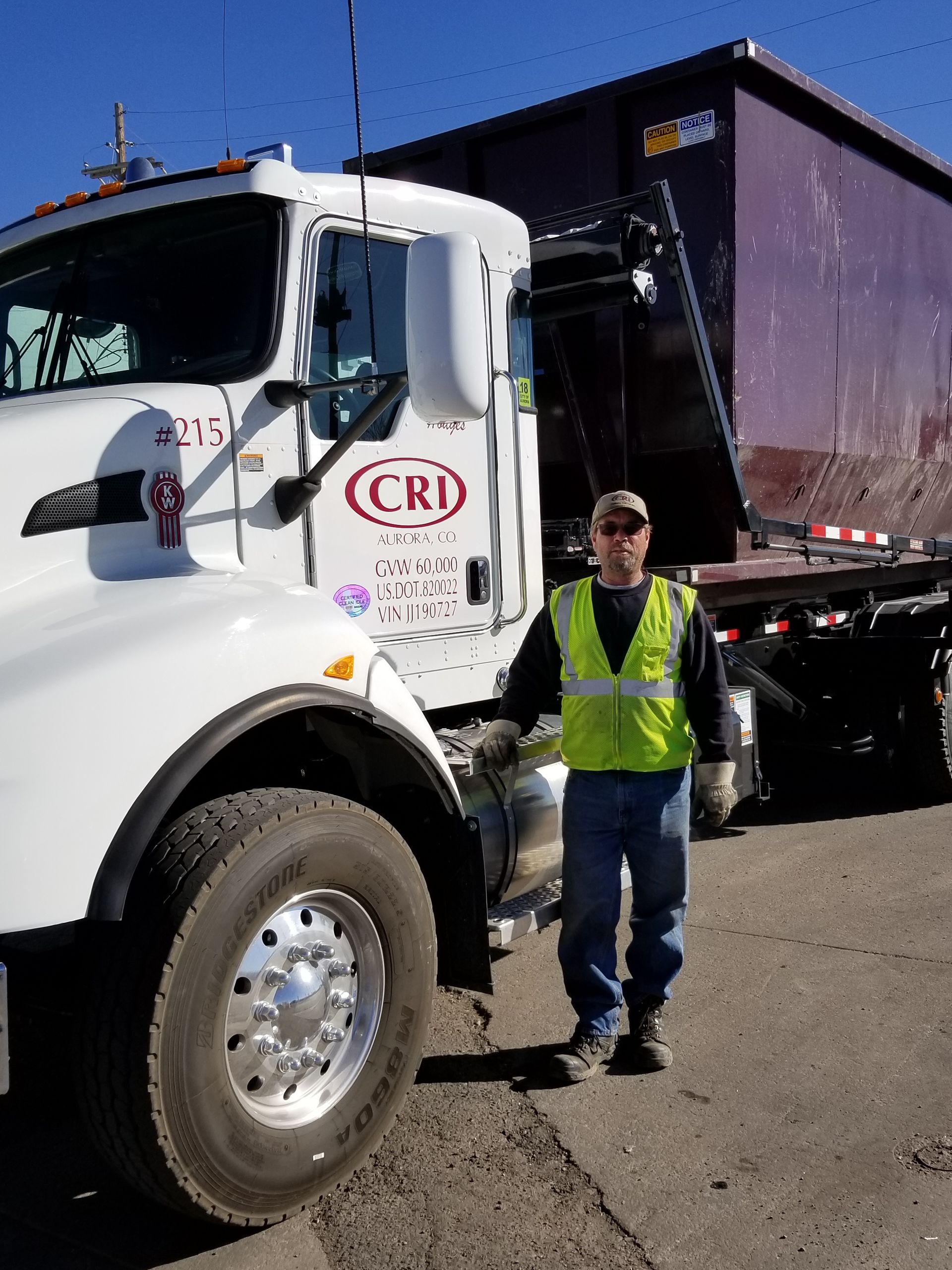
Denver's permit process runs through the Department of Transportation and Infrastructure (DOTI). Before any container goes in the right-of-way, the company placing it must get a Revocable Street Occupancy Permit (RSOP). That means the burden falls on your rental provider, not you personally.
The application must be uploaded with applicable Traffic Control Plans online via ePermits, and you should allow plenty of time for permit processing. Busy main streets and dense areas like LoDo or RiNo can take longer. The type of street can add to the city's review time. Plan accordingly and book your roll-off dumpster rental early.
A company must have a ROW Dumpster License number assigned prior to applying for a Revocable Street Occupancy Permit for a dumpster or container. This is one reason it is worth choosing a licensed, experienced local provider rather than an out-of-area company unfamiliar with Denver's system.
Driveway vs. Street vs. Alley: Which Is Right for Your Project?
The placement location affects both your permit requirements and your project timeline. Here is a quick breakdown:
- Private driveway: No permit required, but the container must remain fully on private property and cannot overhang the sidewalk.
- Public street or curb lane: ROW permit required from DOTI. Book early so your provider can file in time.
- Alley: A container may never block a sidewalk, tree lawn, travel lane, no-parking zone, or loading zone. Alleys in Denver are generally off-limits, so ask your provider before you pick this spot.
For most residential Denver projects, a driveway placement is the simplest and fastest option. In older, denser areas like LoHi, Baker, and LoDo, driveways can be short or missing. Street placement and a ROW permit are often the only choice. Choosing the right roll-off dumpster rental size for your available placement area is just as important as understanding the permit side of things.
Placement Rules You Must Follow on the Street
Even with a permit in hand, your dumpster must meet specific placement standards. The container must fit inside a parking lane and sit well back from any corner, ramp, alley, or entrance. It must sit next to the property on the permit, and one permit covers up to 40 feet of parking lane. Approved placements also need reflective tape on each corner or flashing barricades on the street side. The bin must stay clear of hydrants, storm inlets, driveways, and intersections. It must also avoid bus and rail stops, ADA ramps, bike lanes, and parking meters.
The permit must be visible on the property, and it must define and specify start and end dates. The permit also has a time limit. A container can stay in the public right-of-way for up to 180 days in a 12-month period.
What Happens if You Skip the Permit?
Skipping the permit is a costly mistake. Unpermitted dumpsters that are not properly permitted within 24 hours of notification may be removed from the right-of-way by DOTI. The dumpster owner pays the full permit fee, a non-compliance fee, and removal costs. Past city fee schedules listed a $500 non-compliance fee, so ask your provider for the current amount. The city can also revoke a permit for rule violations. If you are unsure whether your roll-off dumpster rental requires a permit, err on the side of asking your provider before delivery day.
What About HOA Rules in Denver?
A city permit does not override your HOA. HOA density in established neighborhoods adds placement complexity, so confirm community rules before booking. Some HOAs in Denver require written approval before any dumpster is placed, even on a private driveway. Others restrict delivery hours or the number of days a container can sit visible from the street. Always check with your HOA board as a separate step from your city permit.
Curb space is scarce in dense areas like Capitol Hill, LoHi, and Five Points. If you live in one, build extra lead time into your plan.
Ready to Book Your Denver Dumpster Rental?
Understanding permit rules is the first step. Getting the right container delivered on time is the second. Curbside Roll-Off, serving Denver, CO, handles permit coordination so you do not have to track down paperwork while managing a renovation or cleanout. Whether you need a roll-off dumpster rental for a weekend project or a multi-week construction job, the team makes the process straightforward.
Ready to get started? Contact us for a free quote or call 303-343-7096 to speak with someone today. You can also find Curbside Roll-Off on Google to read reviews from customers across the Denver metro.